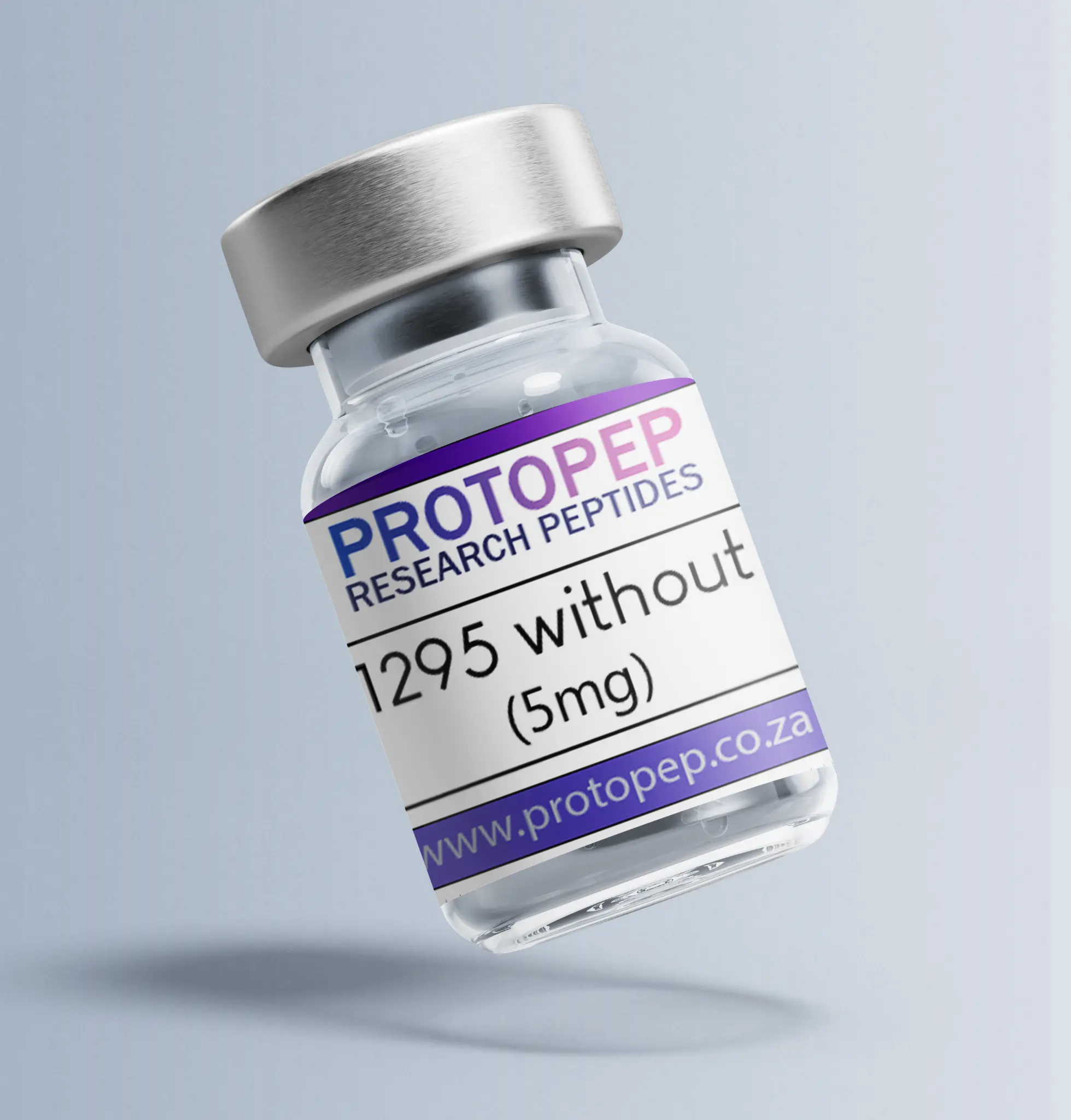
CJC-1295 without DAC
PopularShorter-acting GHRH analog providing pulsatile growth hormone release
CJC-1295 without DAC is a shorter-acting GHRH analog, provides pulsatile GH release, mimics natural physiological patterns, preferred for controlled/intermittent elevation, lacks extended duration of DAC version. 2. **Drafting Section 1: Description (2-3 concise sentences)** * *Goal:* Introduce the product (CJC-1295 w/o DAC) and its core function (GHRH analog, short-acting). * *Draft:* CJC-1295 without DAC, also known as Modified GRF 1-29, is a synthetic peptide analog of Growth Hormone-Releasing Hormone (GHRH). It is characterized by its short half-life and ability to induce pulsatile release of endogenous growth hormone (GH). This variant is specifically utilized in studies requiring precise, intermittent hormonal control that closely mimics natural physiological secretion patterns. 3. **Drafting Section 2: Key Benefits (5-8 concise bullets, research focus)** * *Goal:* List research advantages (pulsatile, control, short duration, physiological relevance). * *Drafting Bullets (Need 5-8):* 1. Induces physiological, pulsatile GH secretion. (Based on source) 2. Enables precise, time-locked control over GH elevation. (Based on source: controlled, intermittent) 3. Short plasma half-life minimizes systemic accumulation. (Based on source: shorter-acting) 4. Ideal for acute pharmacokinetic and pharmacodynamic studies. 5. Avoids desensitization associated with prolonged receptor activation. 6. Facilitates studies on natural diurnal GH rhythmicity. 7. High purity and stability for reliable laboratory use. (Standard assumption for research peptides) * *(Check: 7 bullets. Meets 5-8 requirement. Concise. Research focus.)* 4. **Drafting Section 3: Mechanism of Action (1-2 paragraphs)** * *Goal:* Explain how it works (GHRH receptor binding, pituitary action, GH release). * *Draft:* CJC-1295 without DAC functions as a potent agonist of the Growth Hormone-Releasing Hormone Receptor (GHRHR), primarily located on somatotroph cells within the anterior pituitary gland. Upon binding, the peptide stimulates the synthesis and rapid secretion of stored growth hormone (GH) into the systemic circulation. Due to the absence of the Drug Affinity Complex (DAC) modification, this peptide is rapidly metabolized, resulting in a brief, high-intensity pulse of GH release. This mechanism ensures that the somatotroph cells are not continuously exposed to the agonist, thereby maintaining receptor sensitivity and mimicking the natural episodic release patterns of endogenous GHRH. 5. **Drafting Section 4: Research Applications (1-2 paragraphs)** * *Goal:* Cover main research areas (endocrinology, metabolism, aging). * *Draft:* This peptide is a critical tool in endocrinology research for investigating the complex regulation of the somatotropic axis. Primary applications include studies focusing on the acute effects of GH elevation on metabolic processes, such as glucose homeostasis, lipid mobilization, and protein synthesis. Furthermore, Modified GRF 1-29 is utilized in pharmacokinetic modeling to determine optimal dosing strategies for short-acting secretagogues. Its physiological release profile makes it invaluable for comparative studies examining age-related decline in GH pulsatility and potential therapeutic interventions targeting specific GH release timings. 6. **Final Review and Formatting:** * Check structure: Yes, four bold headers. * Check content accuracy: Yes. * Check rules: No inline labels, professional tone, concise. * Ensure ONLY the text is returned. (Looks good.)**Description** CJC-1295 without DAC, also known as Modified GRF 1-29, is a synthetic peptide analog of Growth Hormone-Releasing Hormone (GHRH). It is characterized by its short half-life and ability to induce pulsatile release of endogenous growth hormone (GH). This variant is specifically utilized in studies requiring precise, intermittent hormonal control that closely mimics natural physiological secretion patterns.
- •Induces physiological, pulsatile GH secretion profiles.
- •Enables precise, time-locked control over GH elevation kinetics.
- •Short plasma half-life minimizes systemic accumulation.
- •Ideal for acute pharmacokinetic and pharmacodynamic studies.
- •Avoids receptor desensitization associated with prolonged activation.
- •Facilitates research on natural diurnal GH rhythmicity.
- •High purity and stability for reliable laboratory experimentation.
CJC-1295 without DAC functions as a potent agonist of the Growth Hormone-Releasing Hormone Receptor (GHRHR), primarily located on somatotroph cells within the anterior pituitary gland. Upon binding, the peptide stimulates the synthesis and rapid secretion of stored growth hormone (GH) into the systemic circulation. Due to the absence of the Drug Affinity Complex (DAC) modification, this peptide is rapidly metabolized, resulting in a brief, high-intensity pulse of GH release. This mechanism ensures that the somatotroph cells are not continuously exposed to the agonist, thereby maintaining receptor sensitivity and closely mimicking the natural episodic release patterns of endogenous GHRH.
This peptide is a critical tool in endocrinology research for investigating the complex regulation of the somatotropic axis. Primary applications include studies focusing on the acute effects of GH elevation on metabolic processes, such as glucose homeostasis, lipid mobilization, and protein synthesis. Furthermore, Modified GRF 1-29 is utilized in pharmacokinetic modeling to determine optimal dosing strategies for short-acting secretagogues. Its physiological release profile makes it invaluable for comparative studies examining age-related decline in GH pulsatility and potential interventions targeting specific GH release timings.
Based on research applications and synergistic mechanisms, this peptide is frequently combined with:
No reviews yet. Be the first to review CJC-1295 without DAC!
Have a question about CJC-1295 without DAC? Ask here and get answers from our team or other researchers.
Research Use Only
This product is sold strictly for research purposes only. It is not approved by the FDA for human consumption or medical use. Intended for laboratory and research applications by qualified researchers and institutions only.