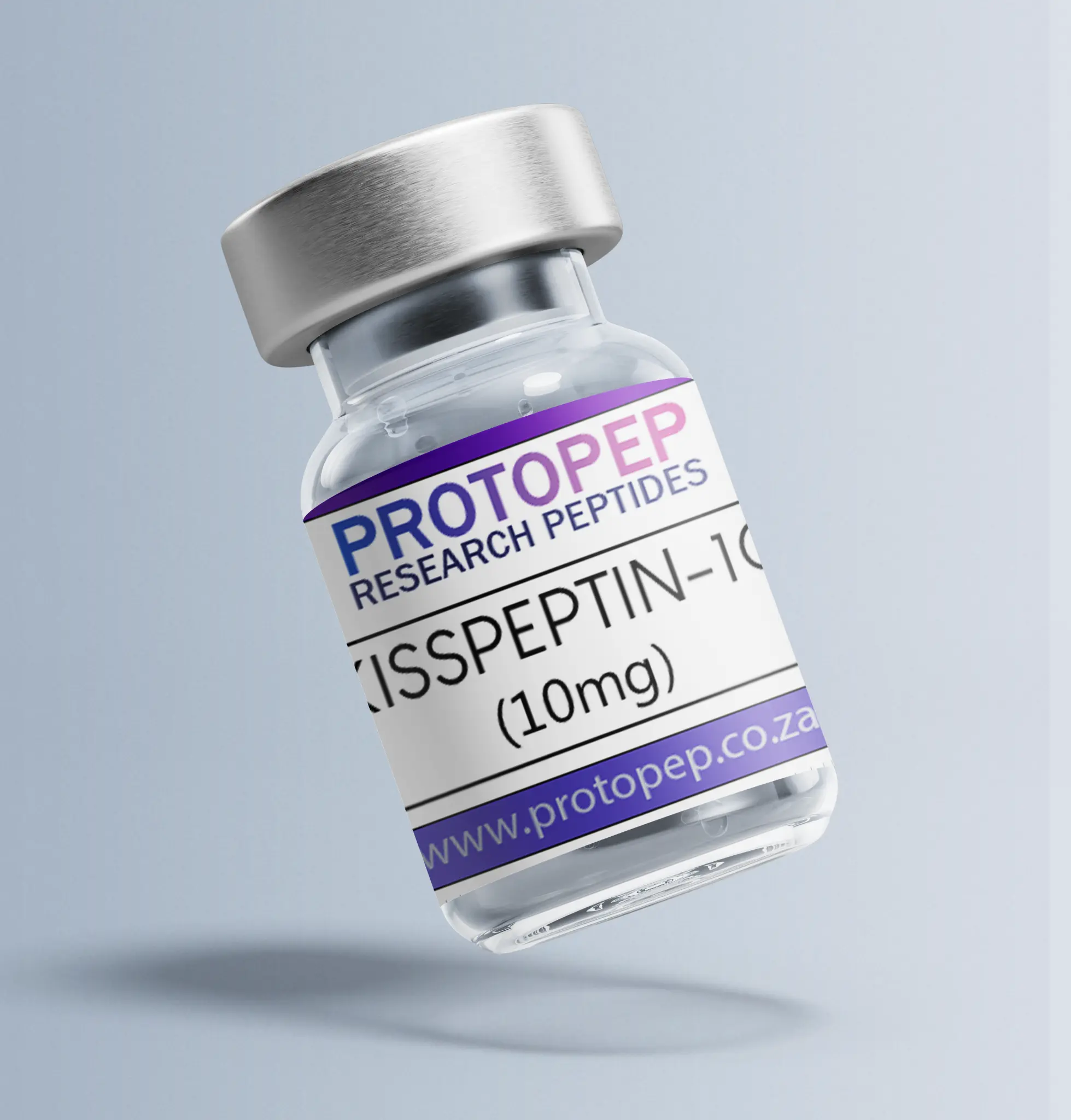
Kisspeptin-10
Reproductive hormone regulation peptide
Kisspeptin-10 is a biologically active, truncated decapeptide derived from the larger kisspeptin-54 sequence. It functions as a potent endogenous ligand for the GPR54 receptor (KISS1R). This peptide is central to the neuroendocrine regulation of the reproductive axis.
- •Investigating hypothalamic-pituitary-gonadal (HPG) axis regulation.
- •Studying GnRH secretion and pulsatility.
- •Analyzing puberty onset mechanisms.
- •Evaluating fertility and reproductive health models.
- •Assessing GPR54 receptor binding kinetics.
- •Developing therapeutic targets for reproductive disorders.
Kisspeptin-10 exerts its biological effects by binding with high affinity to the G protein-coupled receptor GPR54 (also known as KISS1R). This binding initiates downstream signaling cascades, primarily involving the activation of phospholipase C and subsequent mobilization of intracellular calcium. The primary physiological target of this signaling is the activation of hypothalamic gonadotropin-releasing hormone (GnRH) neurons. The activation of GnRH neurons by Kisspeptin-10 is critical for stimulating the release of GnRH into the portal circulation. This, in turn, regulates the pituitary gland's secretion of luteinizing hormone (LH) and follicle-stimulating hormone (FSH), thereby governing the entire reproductive endocrine cascade.
Research utilizing Kisspeptin-10 is fundamentally focused on understanding the neuroendocrine control of reproduction. It serves as an essential tool for dissecting the precise regulatory pathways governing the initiation and maintenance of the HPG axis across various species and developmental stages. Specific applications include characterizing the physiological role of the kisspeptin-GPR54 system in puberty timing and reproductive senescence. Furthermore, Kisspeptin-10 is employed in pharmacological studies aimed at developing novel treatments for conditions such as hypogonadotropic hypogonadism, polycystic ovary syndrome (PCOS), and other disorders characterized by dysregulated reproductive hormone secretion. Its high potency and full retention of biological activity make it the preferred peptide for in vivo and in vitro functional assays related to reproductive endocrinology.
Based on research applications and synergistic mechanisms, this peptide is frequently combined with:
No reviews yet. Be the first to review Kisspeptin-10!
Have a question about Kisspeptin-10? Ask here and get answers from our team or other researchers.
Research Use Only
This product is sold strictly for research purposes only. It is not approved by the FDA for human consumption or medical use. Intended for laboratory and research applications by qualified researchers and institutions only.